Skip to content

AI Engineer at Facephi

Hello, I am Alberto. A passionate Data Engineer and AI Specialist.

Data Engineering & AI Solutions

Portrait of Alberto de la Fuente

01 / Experience

Experience

  1. 2022 — 2025

    Data Engineer (Banking Sector)

    BABEL Sistemas de Información

    • Development and management of Databases using SQL and Python.
    • Creation of Pipelines and ETLs with Python, Luigi, and Airflow to productize AI models, adapting to diverse needs and contexts.
    • Implementation and orchestration of Workflows using NiFi and UAC (Universal Automation Center).
    • Utilization of Azure DevOps for continuous integration and deployment (CI/CD) via Ansible playbooks.
  2. 2025 — Present

    AI Engineer

    Facephi

    • Development and orchestration of intelligent, company-wide workflow automations using n8n, powered by cutting-edge AI agents.

02 / Tech stack

Tech stack

Tools I reach for, and what I use them for.

  • Programming & Data Languages

    • Automate the transformation and loading of large datasets using Python.
    • With Java and C#, build robust back-end APIs and scalable service layers.
    • Ensure business model consistency through the implementation of transactional workflows in SQL.
    • Use R to deliver detailed analytics reports with high statistical rigor.
    • Python
    • Java
    • C#
    • SQL
    • R
  • Data Engineering & Orchestration

    • With Apache Spark, process massive datasets in parallel to unlock rapid analytics.
    • Build productive data pipelines by orchestrating tasks with Luigi or Airflow.
    • Ensure cluster-wide accessibility by maintaining structured data through Hive tables and HDFS.
    • Using Azure DevOps, manage the CI/CD lifecycle to streamline automated deployments.
    • Apache Spark
    • Luigi
    • Airflow
    • Hive
    • HDFS
    • Azure DevOps
  • AI, Machine Learning & Visualization

    • Run generative models on Ollama or LMStudio to create custom text and image outputs.
    • Design complex, automated workflows using the visual programming of n8n and ComfyUI.
    • With OpenAI Whisper, transcribe speech recordings into searchable, structured archives.
    • Train models using TensorFlow and Scikit-learn, prepare data with Pandas, and visualize insights in Power BI to complete the ML workflow.
    • Ollama
    • LMStudio
    • n8n
    • ComfyUI
    • OpenAI Whisper
    • TensorFlow
    • Scikit-learn
    • Pandas
    • Power BI
  • DevOps, Cloud & Tools

    • Using Git, organize feature branches and track full code history efficiently.
    • Ensure environment consistency by running applications in Docker containers.
    • On Azure, host scalable and secure services for cloud-native infrastructure.
    • Build end-to-end CI/CD pipelines by integrating Git, Docker, and Azure seamlessly.
    • Git
    • Docker
    • Azure
  • Methodologies

    • Adapt project plans rapidly in response to shifting priorities, following Agile principles.
    • Keep teams aligned and focused through Scrum practices like daily stand-ups.
    • Maintain delivery momentum by combining Agile adaptability with Scrum's iterative structure.
    • Agile
    • Scrum

03 / Selected projects

Selected projects

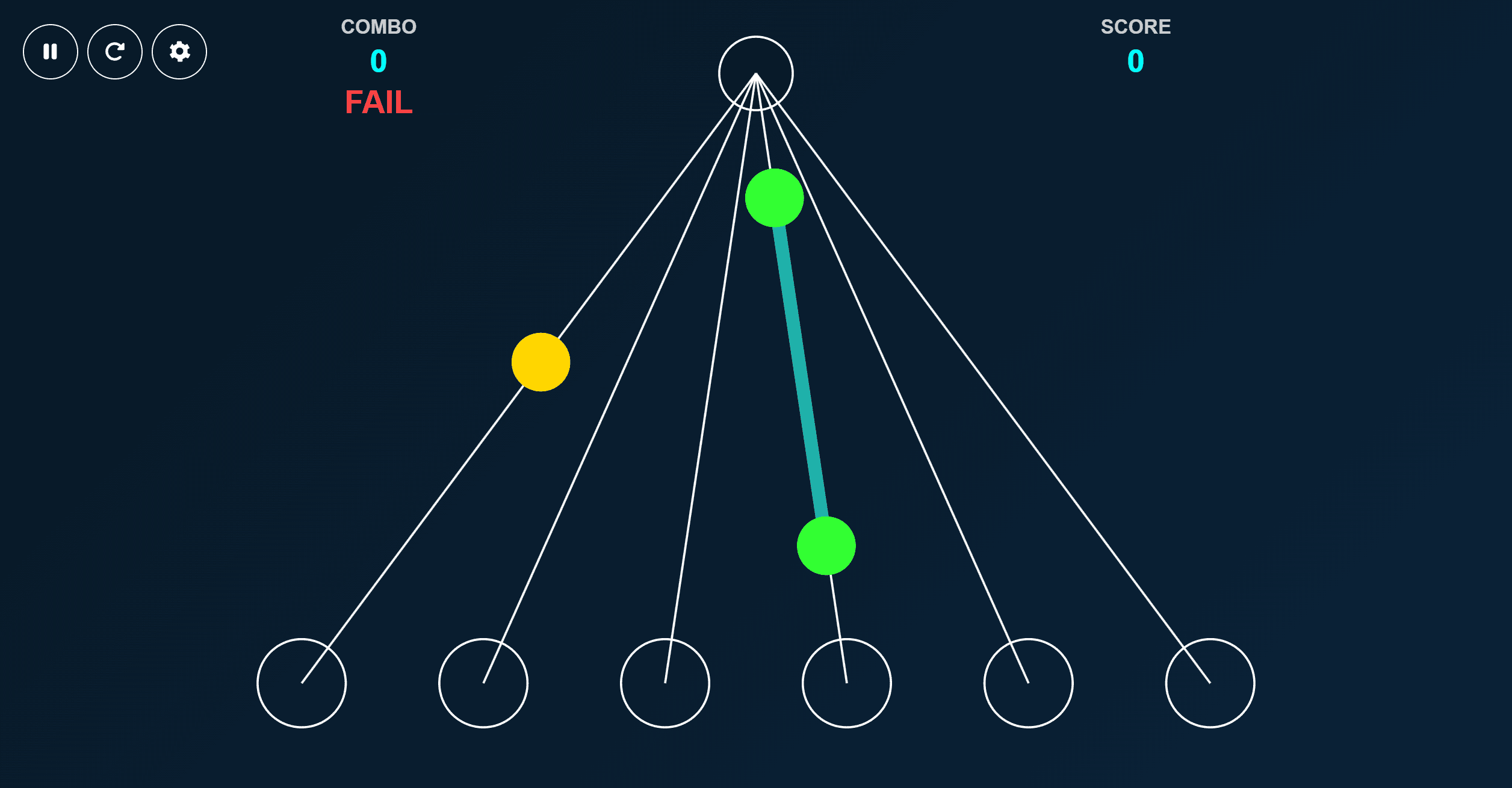
  1. Screenshot of Guitar-villAIn - AI Guitar Hero Bot

    Project 01

    Guitar-villAIn - AI Guitar Hero Bot

    A personal research project exploring Computer Vision and AI techniques for real-time note detection in Guitar Hero. Features two independent approaches: HSV color pattern detection for real-time gameplay and Deep Q-Learning (DQN) for autonomous AI learning. -DEMO WIP-

    • Computer Vision
    • Reinforcement Learning
  2. Screenshot of SocialScapes: AI Landscapes from Collective Social Perception

    Project 02

    SocialScapes: AI Landscapes from Collective Social Perception

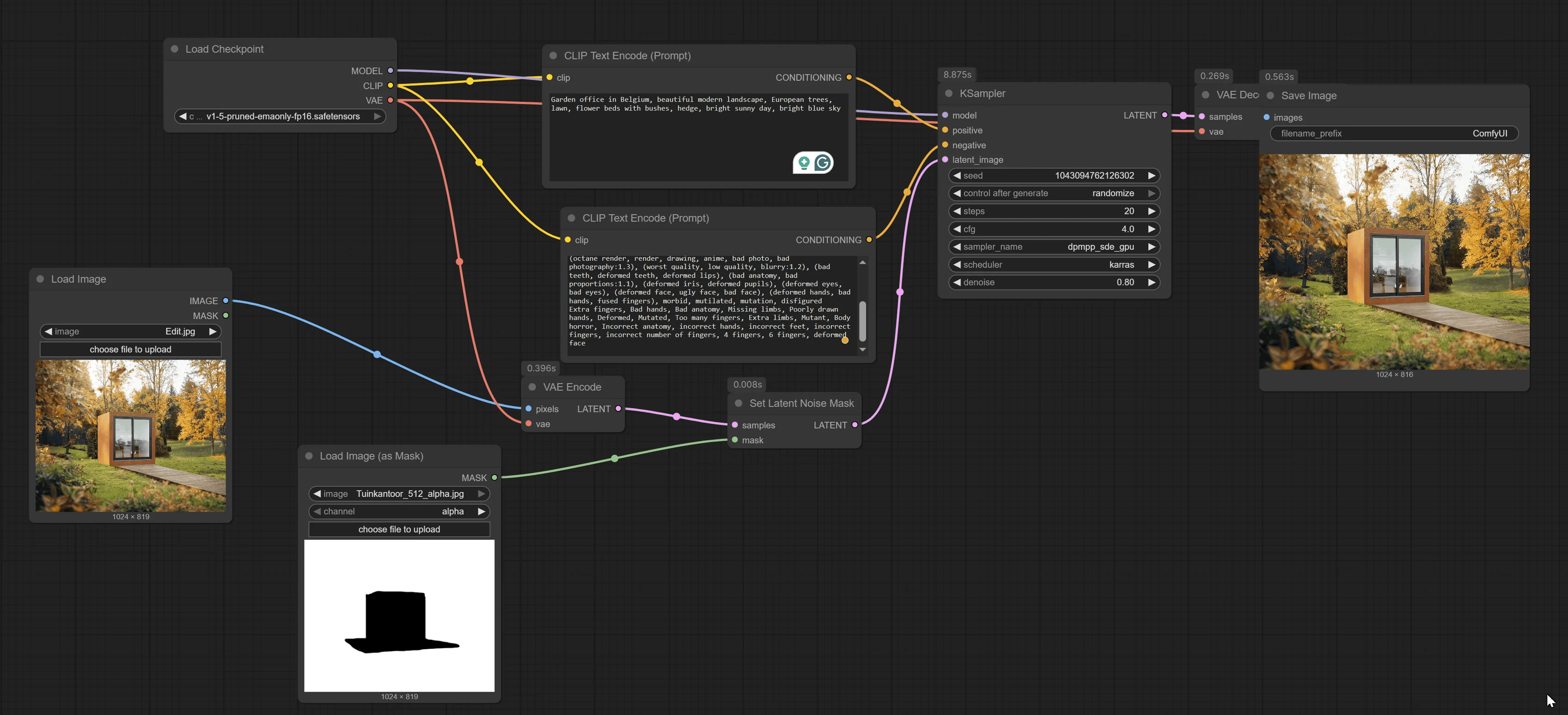
    This project utilizes a ComfyUI workflow to generate unique landscape images, employing the FLUX model for image synthesis and a Large Language Model (LLM) for dynamic prompt creation. The LLM analyzes social media data to capture the collective thoughts and feelings about a specific place, translating this "digital soul" into a descriptive prompt that guides the generation of an artistic image, thereby reflecting the location's online cultural identity. -PREVIEW COMING SOON-

    • ComfyUI
    • Python
    • FLUX
    • LLMs
  3. Screenshot of LetsWatch: Decide What to Watch Together

    Project 03

    LetsWatch: Decide What to Watch Together

    LetsWatch is a native Android app built with Kotlin to make choosing movies as a group easier. Users create rooms, invite friends, and swipe through movie suggestions until everyone matches on one. The app features a content-based recommendation engine that learns from each user's past 'likes' to provide increasingly personalized and accurate suggestions, solving the debate of what to watch.

    • Kotlin
    • MongoDB
    • Python
    • Scikit-learn
  4. Screenshot of TCG Vision: AI-Powered Card Grader & Valuator

    Project 04

    TCG Vision: AI-Powered Card Grader & Valuator

    This project is an advanced tool for TCG collectors to quickly and accurately assess the value of their cards. It employs a multi-stage computer vision pipeline: first, it identifies the card and its specific print version. Simultaneously, an OCR component scans for set codes to confirm the exact edition. Following identification, a machine learning classification model analyzes the card's surface for wear and tear to determine its condition (e.g., Mint, Near Mint, Played). By combining all of this data—card version, set, and condition—the application then fetches and displays the card's average market sale price from relevant databases, providing an instant and objective valuation.

    • Python
    • OpenCV
    • Tesseract
    • TensorFlow
    • Scikit-learn
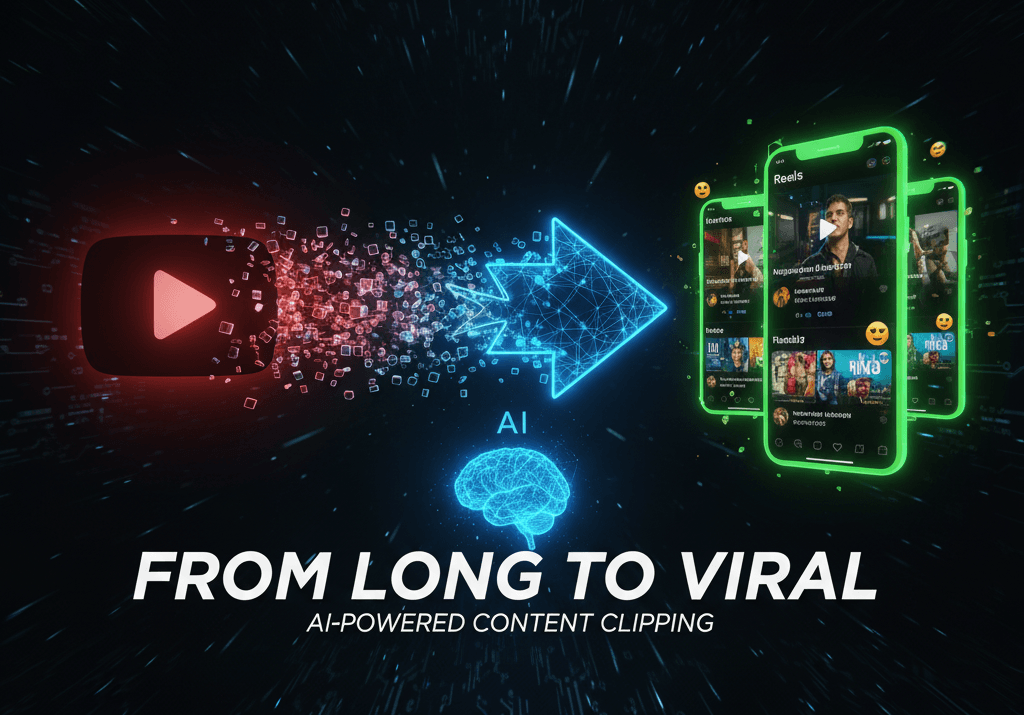
  5. Screenshot of AutoReel: AI-Powered YouTube to Reels Pipeline

    Project 05

    AutoReel: AI-Powered YouTube to Reels Pipeline

    This project is a fully automated content pipeline that transforms long-form YouTube videos into engaging, short-form vertical videos (Reels/Shorts). The process begins by fetching the latest video from a specified creator using yt-dlp. The downloaded content is then transcribed with high accuracy using OpenAI's Whisper. This full transcript is passed to a Large Language Model (LLM) with a custom prompt designed to identify viral-worthy moments, which returns a JSON object with precise start/end timestamps and a descriptive title for each potential clip. Finally, a video processing script uses this data to automatically clip the source video, reformat it to a mobile-friendly aspect ratio, and burn in dynamic, synchronized subtitles from the transcript.

    • Python
    • yt-dlp
    • OpenAI Whisper
    • LLMs

04 / Certifications

Certifications

  • Master in Big Data and Business Analytics

    IMF Smart Education

    2023
  • Master in Data Science

    IMF Smart Education

    2022
  • Higher Degree in Application Development

    IMF Smart Education

    2021

05 / Contact

Have a data problem worth solving?

I’m open to new roles and interesting collaborations. The fastest way to reach me is email.